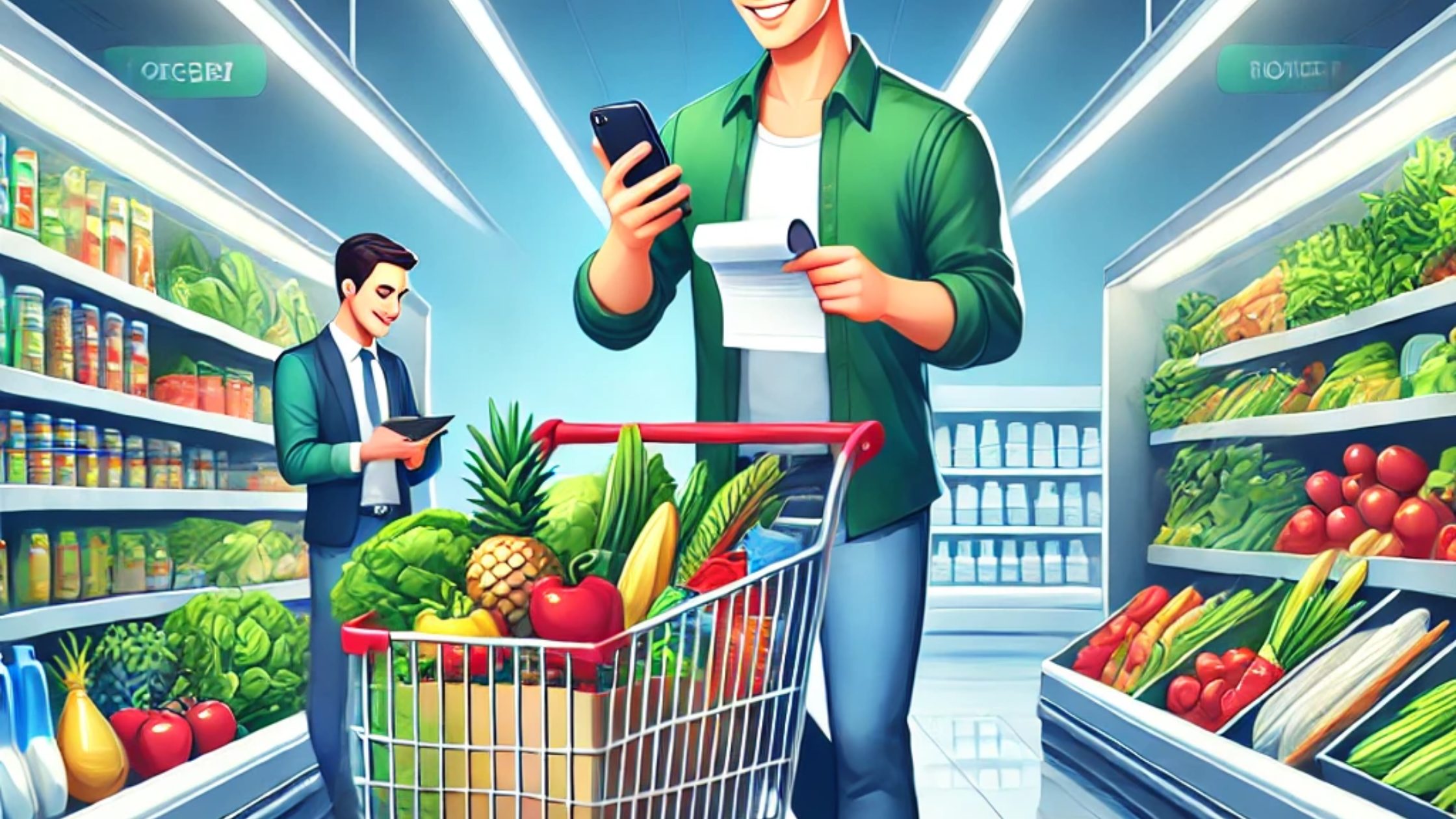
In today’s fast-paced world, convenience is king, and personal grocery shopping has emerged as a viable business opportunity. With many people unable or unwilling to do their grocery shopping due to time constraints, physical limitations, or simply a desire for convenience, personal grocery shoppers fill a critical gap. This blog post explores how you can turn this service into a lucrative income source, whether you’re looking to start a side hustle or a full-fledged business.
Understanding the Role of a Personal Grocery Shopper
A personal grocery shopper provides a customized service, purchasing groceries and other household essentials on behalf of clients. Responsibilities include:
Shopping for groceries: Selecting items based on the client’s preferences, dietary needs, and budget.
Delivery: Bringing the groceries to the client’s home or another specified location.
Providing personalized service: Catering to specific requests such as organic-only items, allergy-friendly products, or store-specific purchases.
Why This Business is in Demand
The demand for personal grocery shopping services has surged due to several factors:
Busy Lifestyles: Many professionals and families don’t have time for grocery shopping.
Aging Population: Seniors often require assistance with grocery shopping.
Health Concerns: Immunocompromised individuals or those avoiding crowded places often prefer this service.
Convenience Culture: Many people prioritize convenience over cost.
Getting Started as a Personal Grocery Shopper
1. Develop the Necessary Skills
To succeed as a personal grocery shopper, you need:
Attention to detail: Clients expect you to follow their instructions precisely.
Strong communication skills: Clear and consistent communication is essential.
Time management: Managing your schedule efficiently helps maximize your income.
2. Choose Your Business Model
You can work independently or through platforms like Instacart or Shipt. Here’s how each model works:
Independent Shoppers: Operate as freelancers, set their rates, and build a client base directly. This model offers higher earning potential but requires more effort in marketing and logistics.
Platform-Based Shoppers: Use grocery delivery apps to find clients. These platforms provide a steady stream of clients but charge a service fee or take a percentage of your earnings.
3. Understand Your Target Market
Identify your ideal clients. Common customer segments include:
Working professionals.
Elderly individuals or those with mobility challenges.
Health-conscious individuals with specific dietary preferences.
4. Set Up Your Business
If you decide to work independently:
Register your business: Choose a legal structure (sole proprietorship, LLC, etc.) and register it.
Obtain licenses: Check local regulations to determine if you need any specific permits.
Get insured: Business insurance protects you from liability.
How to Find Clients
1. Leverage Word of Mouth
Ask friends, family, and neighbors to refer your services. Happy customers are your best marketers.
2. Create a Strong Online Presence
Social Media: Platforms like Facebook and Instagram are excellent for advertising your services and showcasing testimonials.
Website: A simple website with your services, rates, and contact details establishes credibility.
Online Listings: Add your business to local directories and apps like Nextdoor.
3. Network Locally
Partner with community organizations, senior centers, or fitness clubs to offer tailored services.
Leave flyers or business cards at local cafes, gyms, or libraries.
Earnings Potential
1. Hourly Rates
Independent shoppers typically charge $20-$50 per hour, depending on the region and the scope of services.
2. Per Order Fees
You can charge a flat fee for each shopping trip, often between $10 and $25, plus mileage.
3. Tips
Most clients tip for excellent service, providing an additional income stream.
4. Additional Services
Offer add-ons like meal planning, pantry organization, or subscription packages to boost earnings.
Efficient Shopping Strategies
1. Use Shopping Lists and Apps
Maintain detailed lists to ensure accuracy. Apps like AnyList or Out of Milk can streamline the process.
2. Master Store Layouts
Familiarity with local store layouts saves time and improves efficiency.
3. Shop During Off-Peak Hours
Avoid crowds to speed up the shopping process and ensure better product availability.
Managing Finances and Taxes
Track Expenses: Keep records of mileage, tolls, parking fees, and other costs for tax deductions.
Save for Taxes: Set aside a portion of your income to cover self-employment taxes.
Use Accounting Software: Tools like QuickBooks or Wave simplify financial tracking.
Challenges and How to Overcome Them
1. Managing Client Expectations
Set clear boundaries and policies to avoid misunderstandings.
2. Dealing with Difficult Clients
Maintain professionalism and consider parting ways with clients who consistently make the job stressful.
3. Handling Perishable Items
Invest in insulated bags and coolers to ensure food safety during delivery.
Scaling Your Business
Once you’ve built a steady client base, consider scaling your operations:
Hire assistants: Delegate shopping or delivery tasks to increase your capacity.
Expand services: Offer grocery subscription plans or specialized services like bulk shopping for events.
Leverage technology: Use route optimization apps to save time and fuel.
Success Stories
Many personal grocery shoppers have turned this service into a full-time income. For instance:
A shopper in New York City reported earning over $70,000 annually by catering to busy professionals.
In rural areas, shoppers often dominate the market, charging premium rates due to limited competition.
Conclusion
Personal grocery shopping is more than just a side hustle; it’s a service that meets real needs while offering the potential for significant earnings. With careful planning, strong customer service, and efficient operations, you can build a thriving business. Whether you’re shopping for seniors, busy parents, or health-conscious individuals, your efforts can make life easier for your clients while providing you with a flexible and rewarding income stream.
Ready to start your journey as a personal grocery shopper? Grab your cart, plan your strategy, and start shopping your way to success!